A Beginner's Guide to Home Pilates: Build a Calm, Consistent Practice
Starting Pilates at home should feel calm and achievable — not overwhelming. With a little guidance, the right space, and a consistent routine, you can build a practice that supports strength, posture, flexibility, and long-term wellbeing. This guide walks you through everything a beginner needs to know.
What is Pilates?
Pilates is a low-impact form of movement built around control, precision, breath, and core engagement. Rather than chasing intensity, it focuses on moving well — which is why it suits beginners and experienced practitioners alike, and why so many people make it a lasting part of their wellness routine.
Why practise Pilates at home?
A home practice gives you flexibility, privacy, and consistency. There's no class schedule and no commute — just a space that's ready whenever you are. Benefits people commonly value include:
- Improved core strength and stability
- Better posture and alignment
- Greater flexibility and mobility
- Gentle, low-impact, full-body movement
- A calmer, more mindful approach to exercise
- The consistency that comes from training on your own schedule
Mat Pilates vs. reformer Pilates
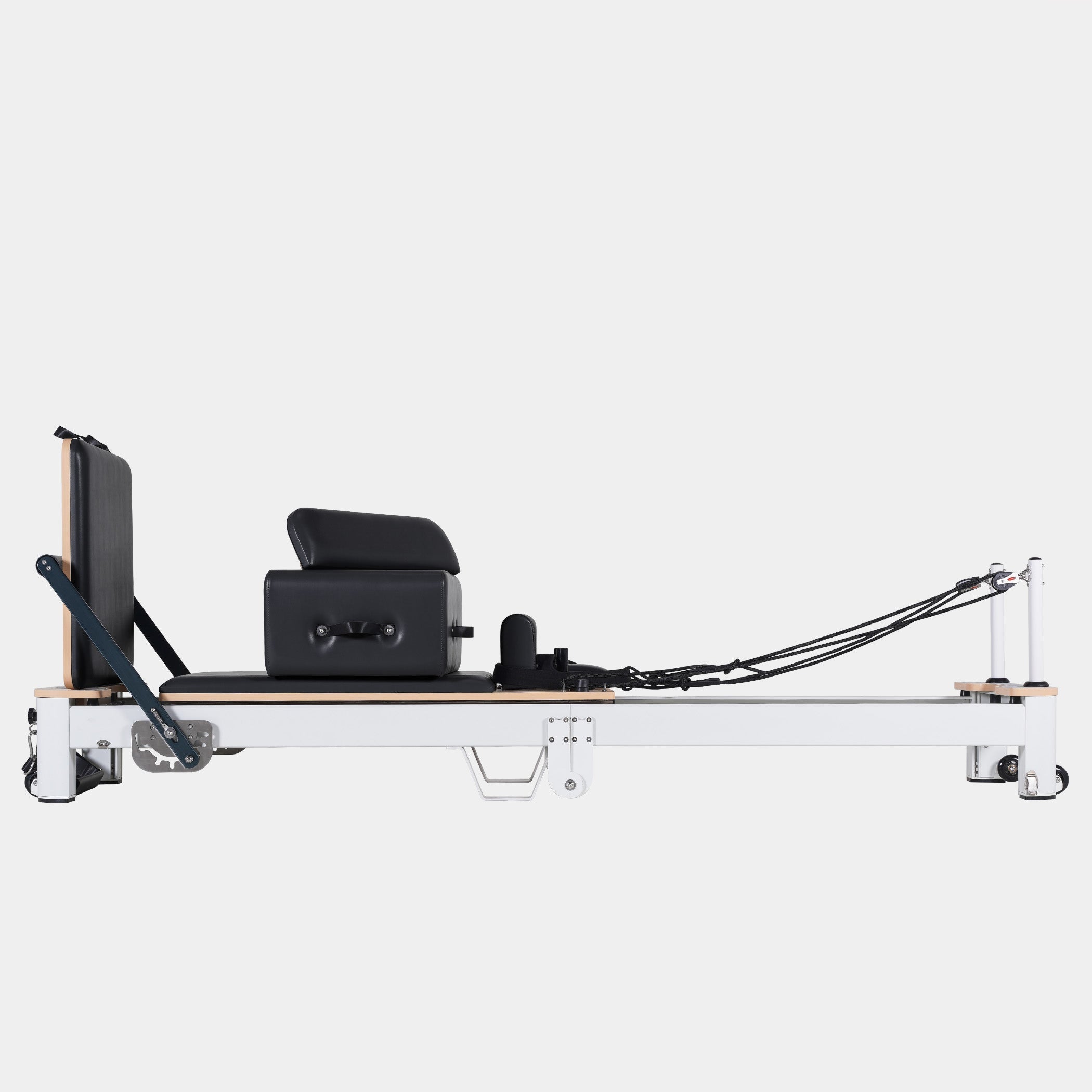
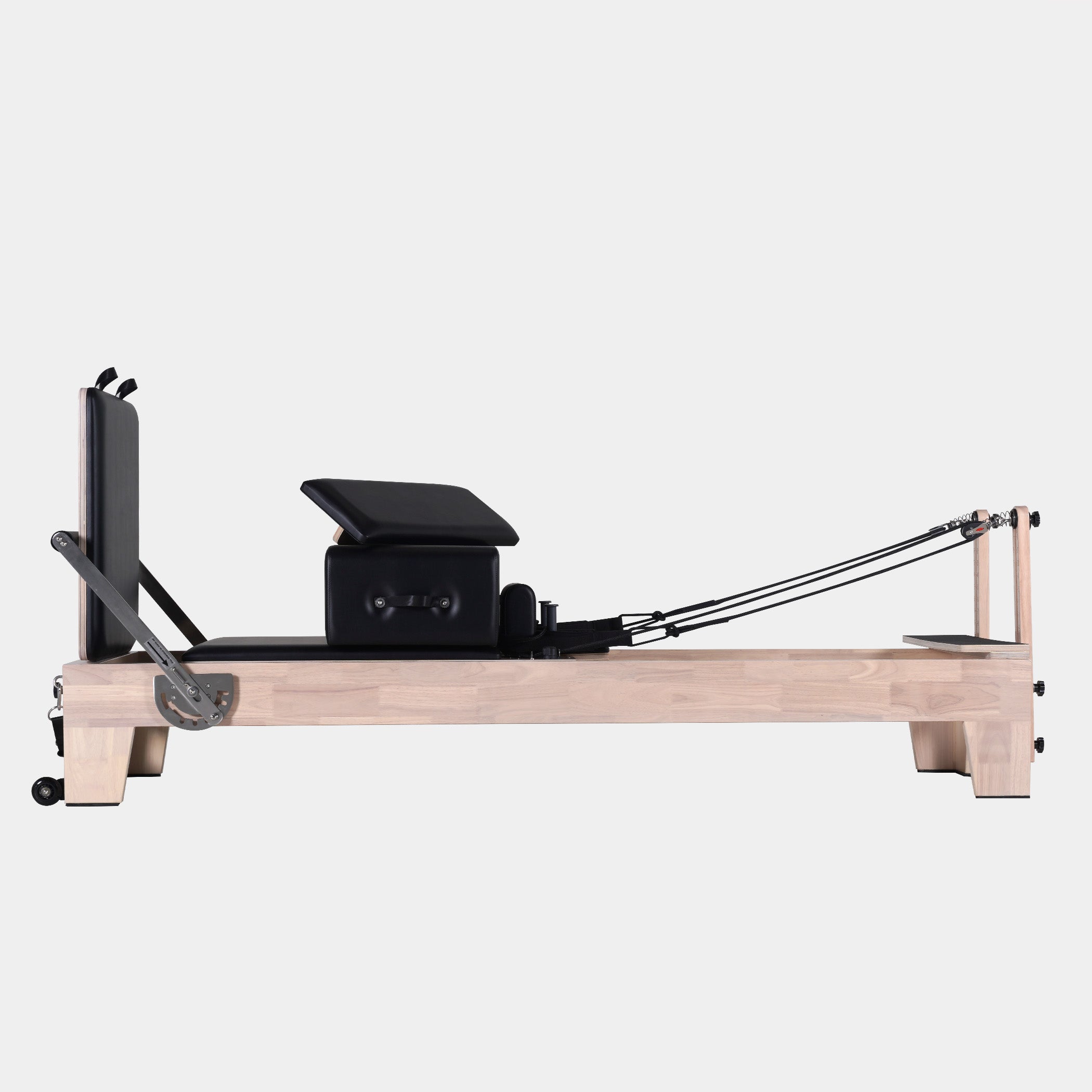
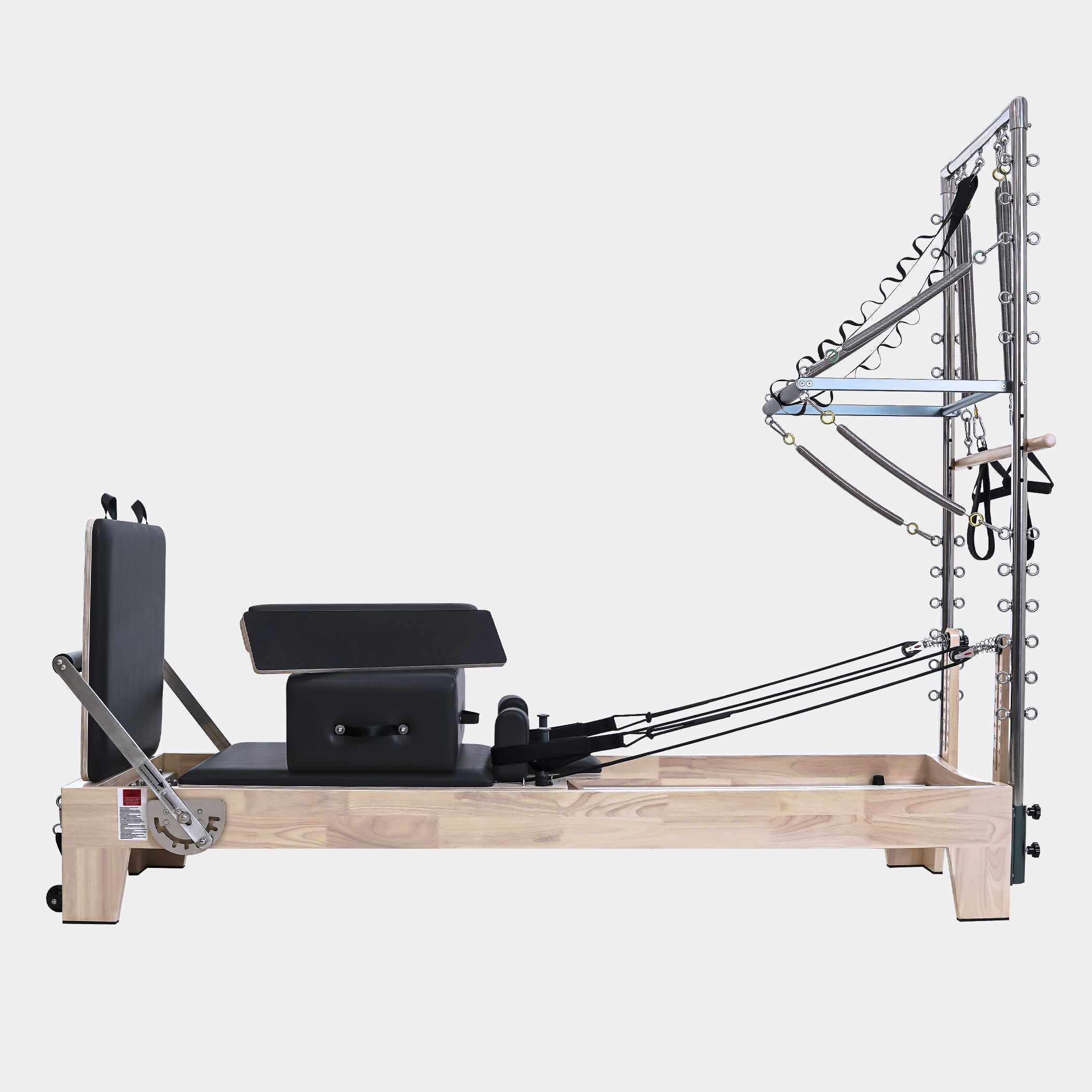
Mat Pilates uses your body weight and small props on the floor — simple, accessible, and a great place to begin. A Pilates reformer adds a sliding carriage and adjustable spring resistance, which opens up a wider range of exercises and a supported, studio-style experience at home. We compare the two in detail in our guide on reformer vs. mat Pilates.
How to choose your first reformer
If you decide to invest in a reformer, a few factors matter most for beginners:
- Your available space — a foldable reformer is ideal for apartments and smaller rooms.
- Frame material and stability — solid maple, oak, or aircraft-grade aluminum for a steady, quiet glide.
- Adjustable resistance — graded springs that scale from gentle to challenging as you progress.
- Comfort and adjustability — a supportive carriage and an adjustable footbar and headrest.
- Warranty and support — important on equipment you'll keep for years.
Our complete guide to choosing a Pilates reformer walks through every step.
Essential equipment for home Pilates
You don't need everything at once — start with the essentials and build over time:
- A Pilates reformer (or a quality mat to begin)
- A few accessories such as a ring, ball, or resistance band
- Grip socks for stability
- Optional additions later: a Pilates chair or a barrel or spine corrector
How often should beginners practise?
Two to three sessions a week is a comfortable starting point. As your strength and confidence grow, you can gradually do more. Consistency matters more than intensity — a calm, controlled 20–30 minute session done regularly is more valuable than an occasional long workout.
Tips for starting well
- Begin with beginner-friendly movements and focus on control, not speed.
- Move slowly and with intention, keeping your breathing steady.
- Allow enough clear space around your equipment.
- Follow proper setup and safety guidance for your machine.
- Listen to your body, and consider guidance from a certified instructor as you start.
Creating a calm space at home
Your environment shapes your practice. Choose a clean, quiet area with room to move, and keep it uncluttered. Soft lighting and neutral tones help your space feel less like a workout corner and more like a daily wellness ritual — which makes it easier to keep coming back.
Why Reformora
Reformora is built for people who want premium, studio-quality equipment for refined home movement. Our range of reformers, chairs, and accessories is chosen for comfort, usability, and long-term value, and backed by our warranty and support. Whether you're just beginning or upgrading your home studio, we're here to help you move with confidence.
Frequently asked questions
Is Pilates good for complete beginners?
Yes. Pilates is low-impact and built around control and precision, which makes it approachable for beginners. Start with gentle movements and progress gradually.
Do I need a reformer to start Pilates at home?
No — you can begin with a mat. A reformer adds resistance, support, and a wider range of exercises, which is why many people add one as their practice grows.
How often should a beginner do Pilates?
Two to three sessions a week is a good starting point. Consistency matters more than intensity, so a regular short session beats an occasional long one.
How much space do I need for home Pilates?
Mat work needs only a clear floor area. For a reformer, plan for roughly 9 ft by 4 ft while training; a foldable model lets you reclaim that space afterward.